Mike Lawrence · Workplace Mental Health Speaker · MHFA England Instructor
Workplace Mental Health Speaker UK
Signature keynote
Hidden Pressure Points
Helping managers recognise pressure earlier—before it becomes burnout, absence, conflict or disengagement.
People rarely announce that they are struggling. Pressure usually appears first through silence, tension, mistakes, low energy, avoidance or managers not knowing what to say next. Mike helps organisations notice these signals sooner and respond with confidence, clarity and care.
Download speaker overview51-second speaker showreel
Practical insight. Human connection. Meaningful action.
See Mike’s speaking style, lived experience and practical approach to sensitive workplace conversations.
Workplace mental health expertise trusted across public, private and third-sector organisations
Signature workplace keynote
Hidden Pressure Points
Pressure does not always look like panic. Sometimes it looks like performance.
The person who appears to be coping may be working the hardest to hide that they are not.
Mike knows how easily pressure can hide behind performance because he has lived it. While climbing the corporate ladder, he worked long hours, late nights and weekends, regularly pushing through breaks. At the time, he called it commitment. Looking back, he can see that he experienced burnout on more than one occasion—and had become skilled at ignoring the warning signs.
Today, in one-to-one client sessions, workplace workshops and conversations with managers and audiences, Mike hears different circumstances but recognises familiar patterns: people continuing to perform, support others and say they are fine while something underneath is beginning to change.
Hidden Pressure Points helps managers look beneath performance, silence and changes in behaviour. It gives them practical language to notice what others may overlook, start the conversation others avoid and respond without judgement, panic or trying to become someone’s therapist.
What people will leave ready to do differently
Look beyond “I’m fine”
Recognise when silence, irritability, mistakes, withdrawal, overworking or a change in energy may be communicating something a person cannot yet put into words.
Have the conversation others avoid
Use clear, human language to check in, listen properly and stay present—even when the conversation feels uncomfortable and there is no immediate solution.
Know what belongs to the manager
Respond calmly, maintain appropriate boundaries and help someone reach suitable workplace or professional support without diagnosing, rescuing or walking away.
Ideal for: organisations experiencing change, restructuring, uncertainty or rising pressure—and managers expected to support people without always being shown how.
Ask about Hidden Pressure PointsWhat managers may miss
Before people go off sick, pressure often changes how they show up
Warning signs do not always arrive as tears, panic or a request for help. Sometimes they are praised, tolerated or explained away—until the cost becomes impossible to ignore.
Performance without recovery
Long hours, late-night emails, weekend working and pushing through breaks can be praised as commitment—even when someone is running on empty.
Trained to manage tasks, not people
Organisations routinely prepare people to respond to a physical emergency. Yet many managers are expected to respond to emotional distress without shared language, a clear process or practical preparation.
Distress does not always look distressed
People mask what they are experiencing. They continue meeting deadlines, smiling on calls and telling colleagues they are fine. Mental health problems are not always visible—even in the same room.
Remote work reduces what managers can see
Someone can appear composed during a 30-minute online meeting and struggle for the rest of the day. Managers lose many of the informal clues once noticed through energy, behaviour and everyday interaction.
A check-in that never checks in
“How are you?” is quickly followed by deadlines, targets and the task list. The meeting is called a check-in, but nobody creates enough time or safety for an honest answer.
Pressure becoming normal
“Everyone is stretched” becomes the explanation for missed breaks, constant availability and depleted teams. What should concern the organisation becomes simply how work is done.
The cost of missed pressure rarely stays personal. It shows up in absence, mistakes, conflict, lost trust, stalled decisions and good people leaving.
If every check-in is about the work, when does anyone get permission to talk about what the work is doing to them?
Why organisations book Mike
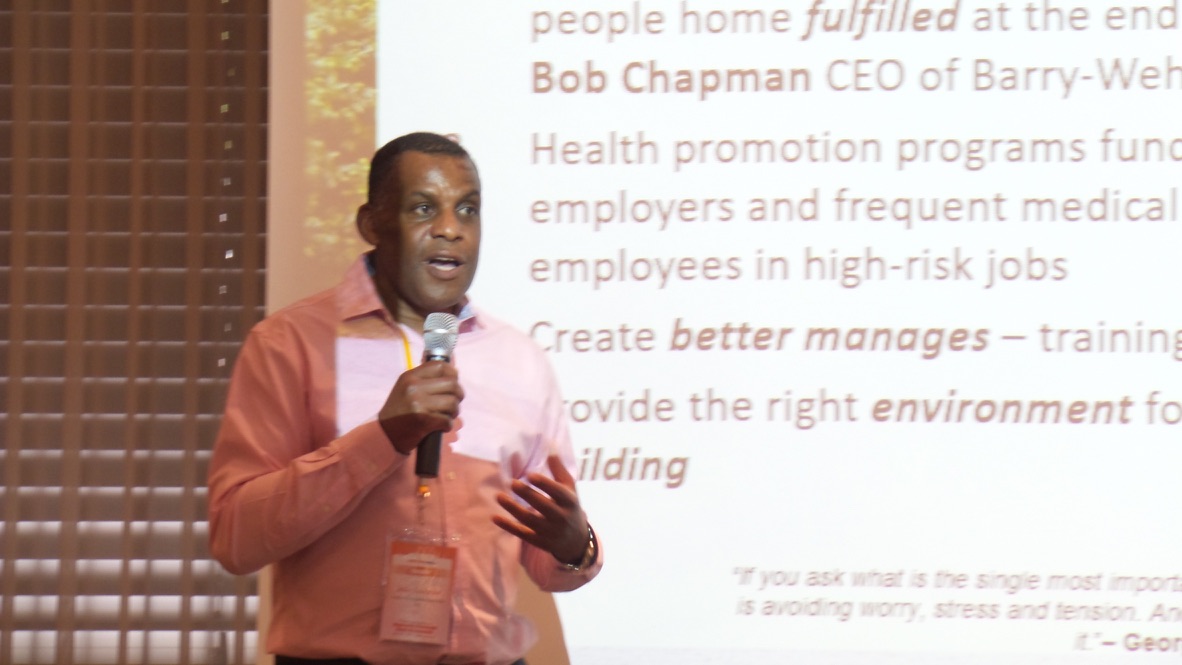
He has lived it, led through it and helped others recognise it earlier
Mike does not speak about pressure from a textbook. His understanding has been shaped by leadership, burnout, recovery and years of honest workplace conversations.
Working harder looked like coping
While climbing the corporate ladder, Mike worked long hours, late nights and weekends, regularly pushing through breaks. At the time, he called it commitment. Looking back, he can see that he experienced burnout on more than one occasion—and became skilled at ignoring the warning signs.
Recovery changed what resilience meant
In October 2022, a rare pituitary apoplexy led to emergency brain surgery. Its estimated prevalence is approximately six cases in every 100,000 people. Recovery brought uncertainty, cognitive change and a fundamental reassessment of identity, pressure and what resilience really means. Source: The Pituitary Foundation
Mike combines that lived experience with more than 20 years of leadership and management experience, his work as an MHFA England Instructor and what he continues to hear in one-to-one client sessions, workshops and conversations with organisations under pressure.
Resilience is not the ability to absorb unlimited pressure.
Mike Lawrence
Experience matters. What organisations do with that insight matters more.
Leadership, management, workplace wellbeing and practical support across corporate, public and third-sector environments.
Deloitte’s 2024 estimate of the average return employers receive from investing in workplace mental health interventions.
Read the Deloitte findingsKeynotes, leadership sessions, workshops and online events shaped around the audience, organisation and pressure they are facing.
Trusted by organisations across the UK
Talks, formats and delivery
One clear message, shaped for the room
The audience, setting and time available may change. The purpose does not: help people recognise pressure earlier, talk more honestly and leave knowing what to do next.
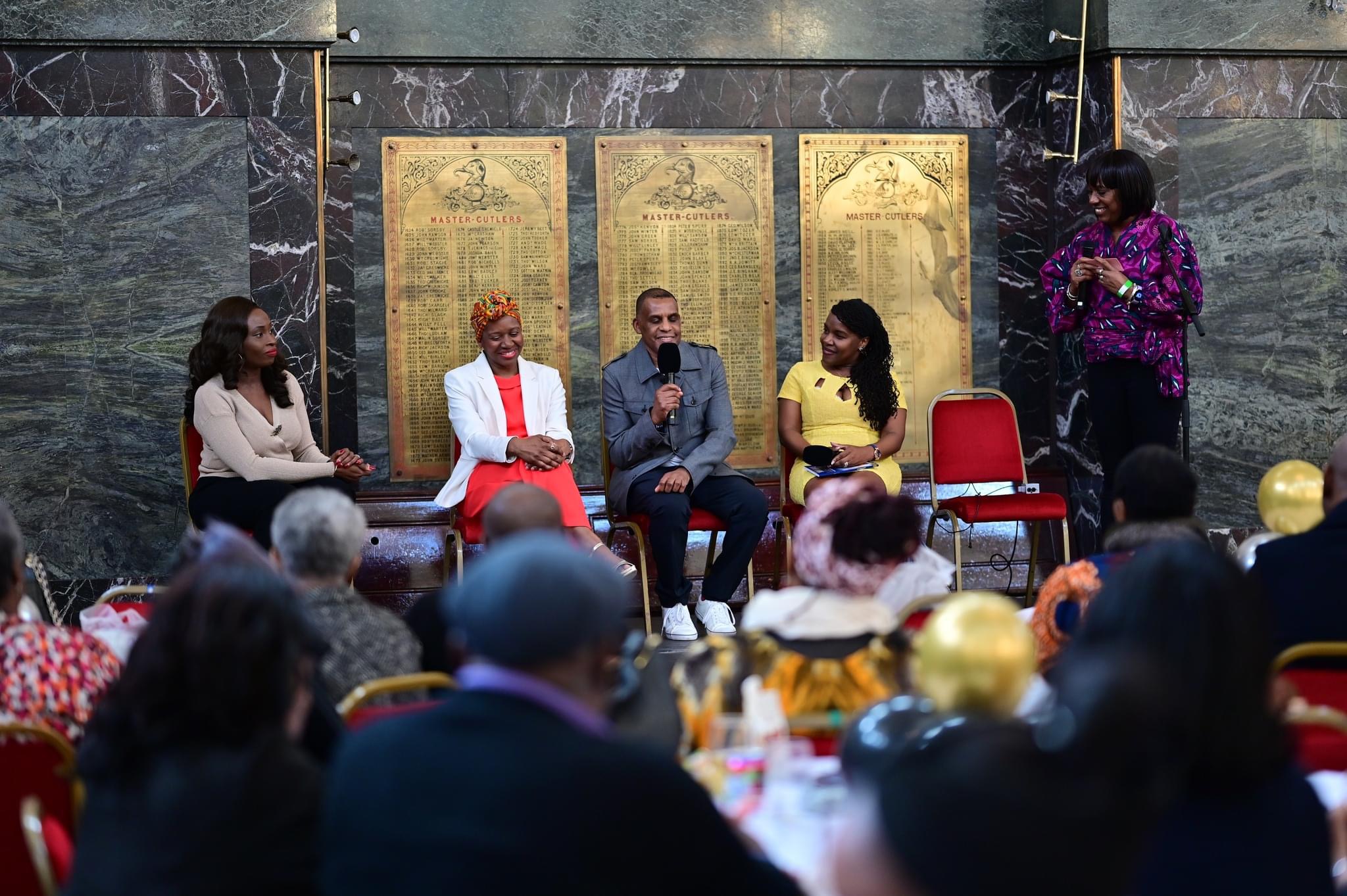
Focused keynote
A concentrated session for conferences, leadership briefings and events where time is limited but the message needs to land.
Signature keynote
Hidden Pressure Points with greater space for lived experience, audience reflection, practical language and meaningful next steps.
Interactive workshop
Time to explore scenarios, practise conversations and help managers apply the learning to real workplace situations.
UK-wide delivery
Delivered for conferences, leadership teams, staff events, away days and geographically dispersed workforces.
Supporting sessions organisations ask Mike to deliver
Hidden Pressure Points remains the signature keynote. These related sessions allow organisations to focus more deeply on a particular pressure affecting their people.
Mental Health Conversations for Managers
For managers who want to support people but feel unsure what to say, what not to say and when to escalate.
Psychological Safety and Team Culture
For teams where people may be holding back, masking pressure or avoiding honest conversations.
Leading Through Change and Uncertainty
For organisations facing restructuring, mixed messages, fatigue, changing expectations or an uncertain future.
Not sure which format fits? Send Mike your event date, audience, location and desired outcome. He will help you identify the most useful starting point.
Check availability for speakingBefore you book
Questions organisers ask before inviting Mike in
You are not simply filling a space in the agenda. You need to know the session will feel safe, relevant and useful for the people in the room.
These answers remove the uncertainty before you decide whether to enquire.
How does Mike create a psychologically safe environment?
Before the session, Mike agrees the appropriate safeguarding arrangements and support routes with the organiser. At the beginning, he establishes a clear group agreement built around respect, choice and permission not to share personal experiences.
Nobody is pressured to disclose, diagnose another person or become their therapist. Sensitive subjects are handled carefully, and participants are directed towards appropriate workplace, professional or emergency support where necessary.
What will participants learn—and what will they be able to do differently?
Participants learn why pressure is often hidden, what changes in communication, behaviour, energy and performance may be telling them, and why “I’m fine” does not always mean someone is coping.
They leave with practical language for checking in, a clearer understanding of how to listen without diagnosing or trying to fix everything, and greater confidence in choosing an appropriate next step—including when to involve workplace or professional support.
Can the session be tailored to our organisation?
Yes. Mike will discuss your audience, sector, current pressures, preferred language and desired outcomes before the event. The stories, examples, interaction and practical takeaways are then shaped around what your people need—not simply presented with a different logo.
How long is the session?
A focused keynote can be delivered in approximately 30 minutes. The full Hidden Pressure Points signature keynote normally runs for 60 minutes, while a half-day workshop creates more space for discussion, reflection and practical application.
Mike can help you choose the format that best fits your audience, agenda and the outcome you want from the session.
Why is this particularly relevant for managers and leaders?
Mike understands management from the inside. His perspective draws on more than 20 years of workplace and leadership experience across corporate, public and third-sector settings, alongside professional study, individual client work and thousands of conversations with managers and employees.
He understands the tension between delivering results, supporting people, maintaining appropriate boundaries and recognising when specialist help is needed. That combination gives managers insight they can apply in the real world—not another list of things they are expected to get right.
What makes Mike’s approach different?
Mike brings together experience that rarely sits in one speaker. He is a multi-award-winning workplace wellbeing consultant, MHFA England Instructor, speaker and co-author, with more than 20 years of leadership experience and lived experience of burnout, recovery and life-changing brain surgery.
His early career as a Butlin’s Redcoat taught him how to connect with a room. His work in coaching and complementary therapeutic approaches helps him understand the person behind the job title. His professional development has also included T. Harv Eker’s Quantum Leap programme, trainer development with Blair Singer and client-attraction training with Mac Attram.
The result is not theory delivered from a stage. It is evidence, experience, humanity and practical action brought together.