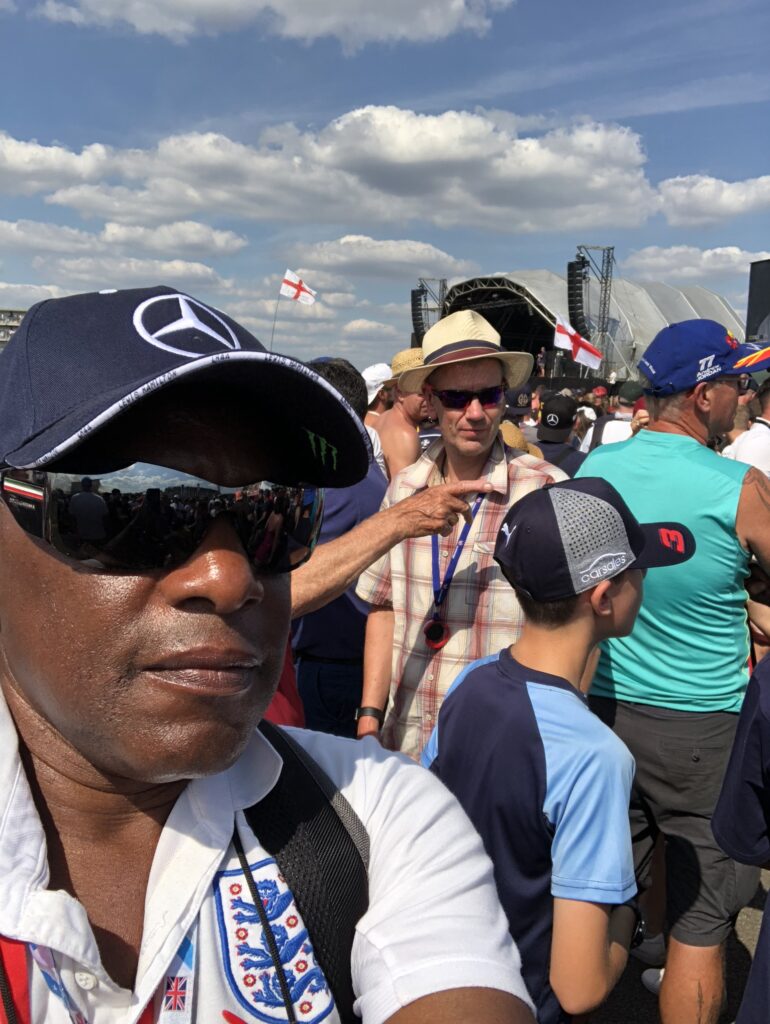
Match fit is a phrase we usually hear in football, but this summer it might be just as relevant to work, leadership and mental health.
Thomas Tuchel has picked his 26-man England squad for the 2026 World Cup, and as always, the nation has thoughts.
Who should be on the plane? Who has been unfairly left out? Who would you have taken? Within minutes, pundits, fans, WhatsApp groups, radio phone-ins and social media had all become selection committees.
For me, the biggest surprise was Harry Maguire. The Manchester United defender has been part of so many England tournament stories, and I honestly thought he might still have a role to play. But that is tournament football. Big calls. Big reactions. Big opinions.
And now the build-up begins.
Wall planners will go up. Sweepstake envelopes will appear in offices. Replica shirts will come out of drawers. Large screens will appear in pubs and beer gardens. Flags will hang from windows and cars.
For a few weeks, the country comes together around one question:
Is football finally coming home?
My heart says yes. My head is slightly more cautious.
But maybe there is another question worth asking this summer.
Are we match fit, or are we just still turning up?
Why Being Match Fit at Work Matters
Being match fit at work is not about pushing harder, pretending everything is fine, or performing at full speed every day.
It means having the support, recovery, clarity and confidence to keep going without burning out.
In football, being match fit is not just about talent. It is not just about being available. It is not even just about wanting it badly enough.
Being match fit means you are prepared for the pressure. You have trained. You have recovered. You understand your role. You trust the people around you. You know when to push, when to pause and when to ask for help.
That is true in sport, but it is also true in work and life.
Many people are still turning up every day. They are answering emails, joining meetings, hitting deadlines, looking composed and saying “I’m fine” when someone asks how they are.
But turning up is not the same as being well.
You can be present and exhausted. Productive and overwhelmed. Reliable and quietly running on empty.
Tuchel’s Squad Shows That Talent Alone Is Not Enough
One of the interesting things about any tournament squad is that the manager is not simply picking the 26 most talented players on paper. He is trying to build a team.
That means balance. Roles. Chemistry. Trust. Tactical fit. Emotional resilience. People who can handle pressure, disappointment, scrutiny and expectation.
That is why squad announcements create so much debate. Fans often ask, “How can you leave him out?” But managers have to ask a different question: “What does this group need to function under pressure?”
There is a workplace lesson in that.
High-performing teams are not built by gathering talented people and hoping for the best. They need clarity, communication, psychological safety, recovery and support.
A match fit team needs people who understand each other, not just people who sit near each other or appear on the same organisational chart.
The Psychological Side of England’s Progress
One of the powerful stories behind England’s 2018 World Cup journey was the work of psychologist Pippa Grange, who joined the FA as Head of People and Team Development.
Her work was not about tactics or formations. It was about culture, pressure, fear, failure and connection. Players were encouraged to understand themselves and each other more honestly. They talked about life stories, anxieties and ambitions. The aim was to create a stronger sense of trust and belonging.
That matters because football, like work, is never just about what people can do.
It is about what they can carry.
Fear of failure can affect performance. So can shame, pressure, isolation and the feeling that you have to cope alone. Whether you are taking a penalty in a World Cup or leading a team through a difficult quarter, the psychological load is real.
Pressure Reveals Whether We Are Match Fit
Major tournaments reveal things. They reveal confidence, preparation, leadership and belief. They also reveal tension, fear and fragility.
Workplaces are the same.
When pressure builds, culture shows itself. You find out whether people feel safe enough to speak up. You find out whether managers notice when someone is struggling. You find out whether rest is genuinely respected or just mentioned in a wellbeing policy.
Pressure does not create every problem, but it often exposes what was already there.
This is why being match fit at work matters. It is not a slogan. It is a sign that people have the support and recovery they need before pressure becomes a crisis.
Who Is in Your Corner?
Tuchel has picked his 26.
But when pressure builds in your world, who is in your corner?
Whether you are working from home, self-employed, hybrid or in the office, being match fit is not just about performing. It is about support, recovery, connection and knowing you do not have to carry everything alone.
And if the honest answer is “no one,” that is worth paying attention to.
We all need people who notice when we are not ourselves. People who can ask better questions. People who can sit with discomfort instead of rushing to fix, judge or dismiss it.
That is one of the reasons Mental Health First Aid training matters. Not because it turns people into therapists, but because it helps more people recognise signs, start conversations and guide someone towards appropriate support.
Hope Matters More Than We Admit
There is something about tournament football that gives people permission to hope.
Even after years of disappointment, the shirt still comes out. The flag still goes up. The conversations still start. The old songs return. The country allows itself to believe again.
There is something powerful in that.
Hope does not mean pretending everything is fine. Hope does not mean ignoring reality. Hope means believing that change is still possible, even when the evidence feels mixed.
That matters in mental health too.
When someone is struggling, hope can be the thing that keeps them in the game long enough to get support. Hope can be the difference between “nothing will change” and “maybe I can tell someone.”
The St George’s Flag and the Feel-Good Factor
It is funny how during a tournament, the St George’s flag suddenly feels allowed.
Any other time of year, someone might complain if it is hanging from a window or flying from a car. But when England are playing, it becomes part of the national furniture.
I have got mine somewhere. The old England shirt too. Whether it still fits is another question entirely.
But that is part of the magic of it. For a short time, people have something shared. Something to talk about. Something to look forward to. Something that can lift the mood.
And in a world that often feels divided, pressured and uncertain, a bit of shared hope is not a small thing.
What If You Are Not Into Football?
Of course, not everyone loves football. For some people, the World Cup is exciting. For others, it is noise, disruption or something they simply do not connect with.
So if football is not your thing, here are three ways to approach the next few weeks.
1. Borrow the connection, not the football
You do not need to understand formations or know who should start at centre-back to enjoy a shared lunch, a sweepstake, a conversation or a bit of workplace atmosphere.
2. Use the quiet
When others are watching matches, you might use that space to rest, walk, read, reset or catch your breath. Not every national moment has to be joined loudly.
3. Check in on someone
Big events can bring people together, but they can also make some people feel more alone. A simple message can matter: “How are you doing?” “Fancy a chat?” “Do you want to come along?”
5 Questions to Ask Yourself About Being Match Fit
If this World Cup gives us anything useful beyond the football, maybe it is a chance to check in with ourselves.
- Am I rested, or just available?
- Am I supported, or just expected to cope?
- Am I connected, or just surrounded by people?
- Do I know who I would speak to if things felt too much?
- Am I genuinely match fit, or just still turning up?
If Football Brings Up More Than Disappointment
Sport can create huge emotional highs and lows. For most people, a loss is frustrating, disappointing or annoying. But for some, it can land much more heavily, especially if they are already struggling.
If you need immediate support in the UK, text HEADSUP to 85258. This connects you with a trained crisis volunteer through the FA’s Heads Up and Shout support service.
You can also find out more here: FA Heads Up support.
You can call Samaritans on 116 123 at any time, day or night.
For mental health information and signposting, Mind’s Infoline is available on 0300 123 3393.
About Mike Lawrence
Mike Lawrence is a Health and Wellbeing Consultant, Mental Health First Aid England Instructor, and workplace mental health speaker.
He works with organisations across the UK to strengthen wellbeing, resilience, and performance through practical, real-world approaches that stand up under pressure.
His work focuses on:
- supporting leaders and managers to respond confidently to mental health challenges
- delivering Mental Health First Aid training that translates into real workplace impact
- helping organisations move beyond awareness into meaningful cultural change
Explore more: