“One day I was teaching mental health — the next, I was the patient.”
Two years ago, I stood at the front of a training room in London, delivering a Mental Health First Aid course.
By the next morning, I was lying in a hospital bed three hours from home, diagnosed with a pituitary tumour.
It’s not exactly the kind of “continuing professional development” I had in mind.
When the Coach Becomes the Patient
It started with what felt like ordinary fatigue — the kind you blame on travel, stress, or one too many late nights. But overnight, it turned into blurred vision, dizziness, and a trip to A&E.
Within hours, I was told:
“You have a mass on your pituitary gland.”
That pea-sized gland sits at the base of your brain, controlling almost every hormone in your body — stress, energy, mood, growth, sleep, metabolism. When it stops working properly, everything stops working properly.
And I soon discovered I wasn’t alone. Around 70,000 people in the UK live with a pituitary condition — most undiagnosed for years. I just happened to be one of them.
It wasn’t cancerous, but it was serious.
And suddenly, I wasn’t the one delivering the session on mental health — I was living it.
The Whirlwind of What-Ifs
As I lay in hospital, the thoughts came thick and fast.
What about my clients? My income? My sight? My future?
Lockdown had already stretched people to their limits. Now I was navigating fear, finances, and hormones that had decided to stage a full-scale walkout.
But one thought grounded me:
“Focus on what’s in front of you.”
And that became the theme of my recovery.
Hospital, Healing, and Hydrocortisone
Recovery came in phases.
First, stabilisation in hospital. Then rehabilitation, learning what my new ‘normal’ looked like.
Some days, victory was walking around the garden without a nap.
Other days, it was remembering that progress isn’t a straight line.
Hydrocortisone tablets became my daily anchor — replacing the cortisol my body could no longer make. But with every dose came perspective.
I realised how often we talk about mental health and physical health as separate things — when, in truth, they’re inseparable.
When your hormones are off, your emotions are too.
Finding My Tribe
Joining The Pituitary Foundation changed everything.
It wasn’t just about medical facts — it was about connection. People who understood what life on hormone replacement feels like. People who knew the tiredness that sleep doesn’t fix.
Their webinars, meet-ups and Q&A sessions — often led by fellow patients and top endocrinologists — became part of my recovery toolkit.
At one session, a professor mentioned something small but life-changing:
“If you’re over 55 and on long-term hydrocortisone, ask for a DEXA scan.”
That tip prompted me to contact the Endocrine Unit at the Royal Hallamshire Hospital — and thanks to their swift support, I was added to the list for a DEXA scan.
Another talk from Dr Miles Levy, consultant endocrinologist in Leicester, hit home:
“Doctors rely too much on blood tests. They should listen more to the patient.”
He’s right.
You can’t always measure exhaustion, fear, or fog on a chart.
The Leaders Behind the Science
This awareness month, I want to shine a light on some of the experts who go above and beyond.
Professor John Wass, Emeritus Professor of Endocrinology at Oxford, travels around the country reviewing and supporting endocrine departments through the Getting It Right First Time (GIRFT) programme. He does this in his own time, unpaid — raising the bar for hormone care across the NHS.
Professor John Newell-Price, based in Sheffield, leads one of the UK’s top endocrine units, specialising in adrenal and pituitary disorders. His work has helped countless patients — including myself — regain their quality of life.
These specialists remind me that compassion and science are partners, not opposites.
The Realities We Don’t Talk About
Here’s the truth: managing a pituitary condition isn’t neat or predictable.
I’ve faced the usual hurdles — hydrocortisone shortages, prescriptions that vanished somewhere in the NHS Spine, and pharmacy queues that felt endless. But the Endocrine Unit in Sheffield have been outstanding; years of experience, calm advice, and even emergency supplies when you’re caught short. I count myself fortunate.
The Pituitary Foundation’s advice was simple but crucial:
Keep a three-month rolling supply. Always have an emergency pack.
I raised this with my endocrinology team, and they supported it immediately. Small changes like this prevent big problems.
In May 2024, I also met with Dr Palin from the neurology department at the Royal Hallamshire Hospital. He reviewed my MRI results and liaised closely with Professor Debono and the endocrine team to ensure everything was aligned.
Later, Dr Borg, the lead neurologist at the National Hospital for Neurology and Neurosurgery, reviewed the scans alongside the Sheffield team. Both confirmed the same findings — no visible tumour growth. Dr Borg said she doesn’t believe it will return but will continue monitoring with MRI scans every two years, having started off with scans every six months.
That ongoing collaboration between London and Sheffield has given me real peace of mind.
Two years later, the scans are stable. I’m well. I’m grateful.
Hope Has a Hormone Too
Hospitals are brilliant for acute care. But living with a chronic condition requires something hospitals can’t prescribe — hope.
It lives in communities like The Pituitary Foundation, in patient-led meet-ups, and in moments where you realise that yes, life’s changed — but it hasn’t ended.
Last year, I even jumped out of a plane to raise money for The Mental Health Foundation.
It wasn’t just adrenaline — it was proof that fear doesn’t get the final say.
Because if my pituitary gland can stop working and I can still do that — there’s no excuse not to live fully.
Final Thought
Being a patient taught me as much about leadership as any conference ever could. You learn vulnerability, humility, and the power of asking for help.
This Pituitary Awareness Month, I want to remind everyone:
You are not your diagnosis — you are your comeback story.
“It’s not how big the tumour was — it’s how big the comeback is.” 💪
P.S.
If you’ve faced a pituitary or hormonal challenge — or you’re still figuring it out — share your story. Someone out there needs to hear it.
Connection heals faster than cortisol ever could.
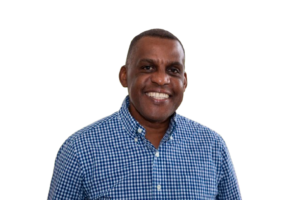
Mike Lawrence: Your Guide to Health & Wellbeing
I’m Mike Lawrence, a passionate advocate for mental health and wellbeing. After overcoming significant health challenges, including brain surgery, I’ve dedicated myself to a journey of self-improvement and helping others thrive. From heart-pounding skydives for charity to soul-enriching travels in Thailand, my experiences have shaped my approach to holistic health.
I love sharing the lessons I’ve learned from these adventures and the powerful audiobooks I devour. Let’s explore the paths to better mental and physical health together. Embrace life’s adventures with enthusiasm and resilience, and remember—you’re never alone on this journey!
Feel free to email me at hello@mikelawrence.co.uk or connect with me on LinkedIn. For more in-depth insights and inspiring stories, read my latest blogs here. Together, let’s create a healthier, happier future!